



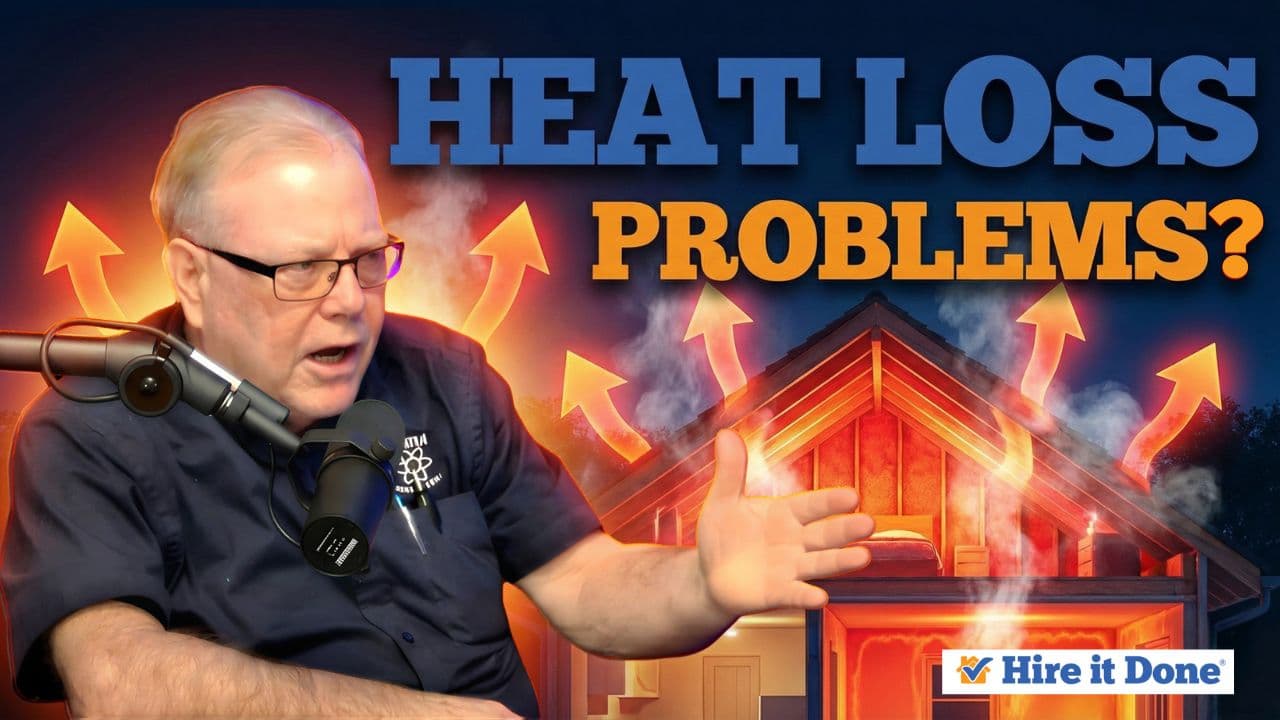

If your home feels drafty, uneven, or expensive to heat and cool, insulation is where you start. Not windows. Not a new furnace. Not siding.
This insight comes straight from a recent Hire It Done episode focused on energy efficiency. The takeaway is clear: insulation delivers faster, more reliable savings than any other home upgrade.
You feel the difference almost immediately. Your energy bills follow within months. And your home becomes more comfortable year-round.
This isn’t theory. It’s what seasoned insulation professionals see every day in real Southeast Michigan homes.
The Upgrade That Pays You Back Immediately
Most homeowners think of insulation as a long-term investment. In reality, it starts working the moment it’s installed.
Insulation slows the escape of heated and cooled air, reducing how often your HVAC system needs to run. That means less energy use and fewer temperature swings inside your home.
The benefits show up quickly:
- More stable indoor temperatures
- Lower monthly heating and cooling costs
- Less strain on furnaces and air conditioners
That’s why insulation consistently ranks as the highest-return energy upgrade available to homeowners.
Where Energy Loss Really Begins
If you could see energy escaping from your home, most of it would be leaving through the attic.
Warm air naturally rises. In winter, it pushes upward and out.
In summer, attic heat radiates back down into your living space. When insulation is thin or outdated, that exchange happens fast.
Old Attic Insulation Can’t Keep Up
Many Southeast Michigan homes still rely on insulation installed decades ago. Some attics contain only a few inches of material—far below modern performance standards.
During the episode, it’s explained that upgrading to R-49 or higher can transform how a home feels and performs. Homeowners often notice:
- Fewer drafts
- More even room temperatures
- Immediate reductions in energy use
That’s why attic insulation is almost always the starting point.
Materials Matter Less Than Craftsmanship
Homeowners often ask which insulation type is best: fiberglass, cellulose, or foam.
The real answer from the episode is straightforward: even the best insulation fails if it’s installed poorly.
This point comes directly from Tom Mackey of Dana Insulation, a family-owned business that has served Metro Detroit since 1977.
Poor Installation Cancels Good Products
Insulation must work alongside airflow, ventilation, and the home’s existing structure. If preparation is rushed or details are skipped, performance drops sharply.
That’s why experienced installers focus first on assessment, not sales pitches. The right solution depends on how your home actually behaves.
 The Insulation Choice That Fits Most Homes
For many existing homes, cellulose insulation checks the most boxes.
It installs evenly, adapts well to irregular framing, and delivers strong thermal performance at a reasonable cost. In older homes especially, it fills gaps that other materials often miss.
Cellulose is commonly recommended because it:
- Improves overall coverage
- Helps deter pests
- Works well in retrofit projects
- Delivers strong value per dollar
That combination makes it a reliable option for many Southeast Michigan homeowners.
The Small Detail That Protects Your Roof
One of the easiest ways to ruin an insulation job is skipping proper baffling.
Baffles maintain airflow between soffits and roof vents. Without them, insulation blocks ventilation paths and traps moisture against the roof deck.
Ventilation Keeps Insulation Working
When baffling is done correctly, it:
- Prevents condensation buildup
- Protects roof decking and shingles
- Preserves attic airflow
- Allows insulation to perform as intended
It’s a behind-the-scenes detail, but it has long-term consequences if ignored.
Bungalows Play by Different Rules
Bungalows are common across Southeast Michigan, and they’re notorious for temperature problems.
Their design includes knee walls, sloped ceilings, and attic flats—all prime spots for heat loss. That’s why upstairs rooms in bungalows often feel extreme in every season.
Comfort Starts Behind the Walls
Effective insulation strategies for bungalows include:
- Foam insulation along knee walls
- Blown insulation in attic flats
- Sealing sloped ceiling cavities
- Preserving ventilation throughout
When done correctly, homeowners report major comfort improvements upstairs and reduced reliance on window air conditioners.
Cold Floors and Musty Smells Have a Source
Attics get most of the attention, but crawl spaces quietly affect comfort and air quality.
Many crawl spaces lack proper vapor barriers. Moisture rises from the ground, leading to odors, cold floors, and uncomfortable rooms above.
Moisture Control Changes Everything
Installing a sealed vapor barrier:
- Blocks ground moisture
- Reduces musty odors
- Turns crawl spaces into conditioned areas
- Improves comfort in kitchens and family rooms
It’s one of the most effective fixes for cold, uncomfortable lower-level spaces.
Savings That Add Up Faster Than Expected
Insulation doesn’t just feel good—it shows up on your utility bills.
Homeowners often see around 20% energy savings after proper insulation upgrades. For a household spending $500 per month, that’s roughly $100 saved every month.
Short Payback, Long-Term Benefits
When you factor in:
- Utility rebates
- Reduced HVAC wear
- Improved comfort year-round
Insulation often pays for itself within a few years, sometimes sooner.
 Experience Makes the Difference
Insulation looks simple, but mistakes are expensive.
Choosing a contractor who understands building science, airflow, and documentation matters. That’s why Hire It Done emphasizes connecting homeowners with experienced professionals who focus on solutions—not pressure tactics.
Start With Insulation, Then Build From There
If you’re planning home upgrades this year, insulation should come first.
It lowers operating costs, improves comfort immediately, and makes every future upgrade more effective. As reinforced in this recent Hire It Done episode, insulation isn’t just another project—it’s the smartest foundation you can build on.
Tags: