



When you live in Southeast Michigan, you feel every season intensely — the humid summers, the freezing winters, the dramatic temperature swings in between. So when your home isn’t insulated properly, you don’t just feel uncomfortable… you feel it in your energy bills.
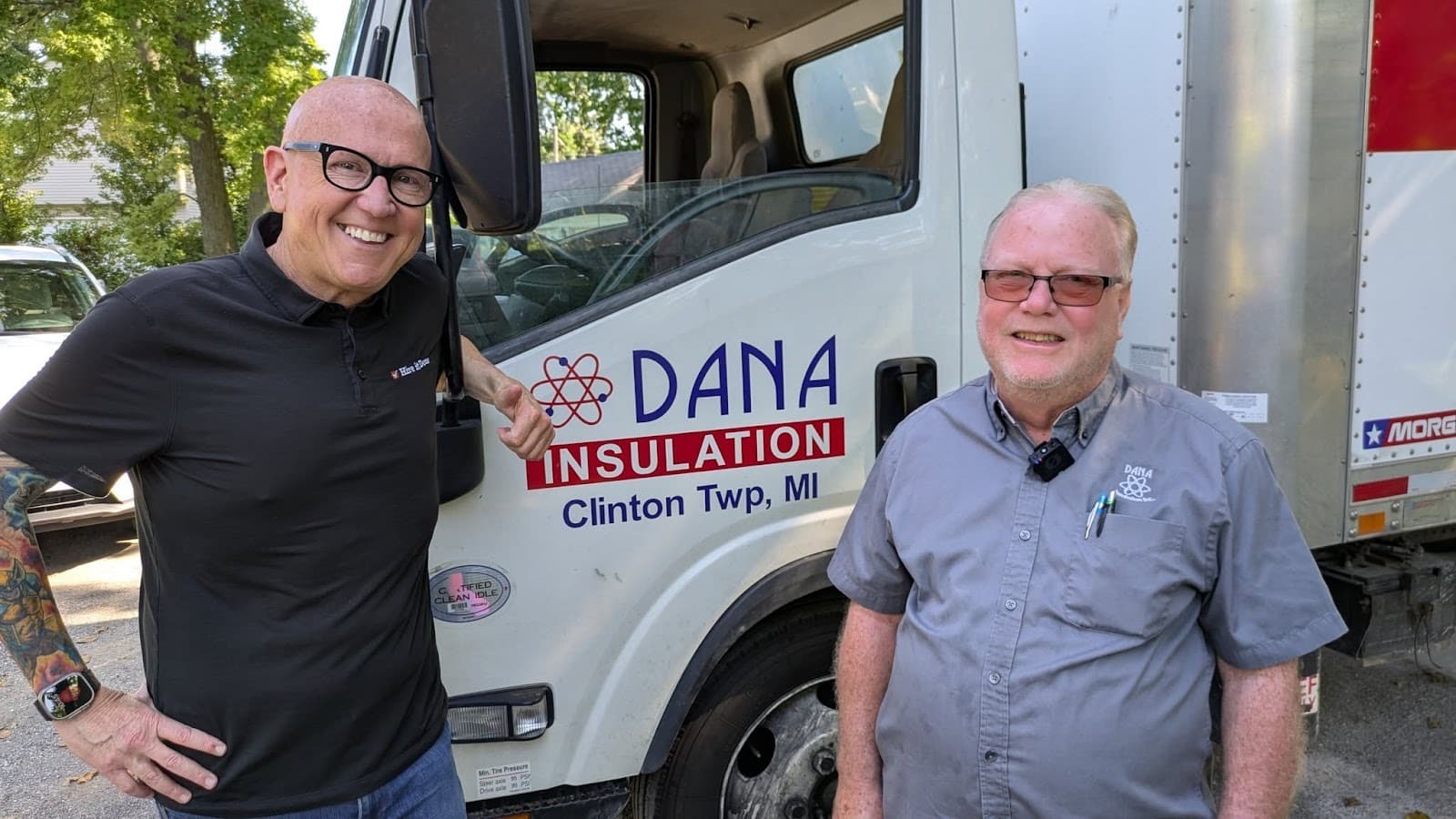
Adam Helfman visited a home in Metro Detroit with Tom Mackey of Dana Insulation to show exactly how upgrading attic and crawl space insulation can transform comfort and lower heating costs.
If you’ve been dealing with cold rooms, high bills, or drafty hallways, this breakdown will help you finally fix those problems the right way.
Below are the five key lessons every SE Michigan homeowner should take from that episode — and the one big topic we’re focusing on today: why proper attic and crawl space insulation is one of the smartest updates you can make.

The Homeowner Problem Many Don’t Notice
Before the work even began, Adam asked the homeowner, Mr. Meduvsky, why he finally decided to upgrade his insulation. His answer is one that thousands of Michigan homeowners can relate to:
“Our energy bill… trying to reduce the cost of our energy. And the second one was the family room… it’s very, very cold in the winter. We pretty much freeze all winter long in that room.” — Homeowner,
Cold additions, rooms above garages, drafty hallways, temperature swings — these are classic signs of worn-out insulation.
The home Adam visited was built in the 1960s and still had old R-11 fiberglass batts, which are far below today’s recommended standards.
Tom explained that Dana Insulation would be upgrading the attic to R-49, a modern level that dramatically improves heat retention in winter and cooling in summer.
Why Attic Insulation Matters Most
Your Attic Is the Biggest Energy Leak
Heat rises. And in an under-insulated home, most of your expensive heated air escapes through the attic. That’s why upgrading this part of your home gives you the highest return on investment.
A home built in the 1960s like the one in the episode simply wasn’t designed for today’s energy expectations.
Tom explains that the current insulation was so minimal that the upgrade would create instant and dramatic improvements in comfort and utility costs.
Cellulose: A Better Material for Michigan Homes
The team used Applegate cellulose, a Michigan-manufactured product known for its performance and reliability.
“Applegate is a Michigan manufactured product, highly recognized as one of the better products in the market today.” — Tom Mackey, Dana Insulation
Cellulose performs extremely well in our region because:
- It fills gaps and voids better than fiberglass.
- It resists air movement, which is critical for drafty older homes.
- It reduces noise — something homeowners appreciate more than they expect.
- It’s environmentally friendly, made largely from recycled materials.
Once the bags are broken down and fed through the truck-mounted machine, the cellulose is blown evenly across the attic to create a thick, consistent thermal barrier.
The Critical Step Most Homeowners Don’t Know: Baffling
Upgrading attic insulation isn’t just about adding more material. It’s about preparing the space correctly — and one of the most important steps is baffling the soffits.
Tom explains:
“Each one of the soffits will need to be baffled… the preparation will be to baffle every aspect of the soffit.” — Tom Mackey
If you skip baffling, insulation will block the ventilation channels near the roofline — which traps moisture, shortens the life of your roof, and reduces your insulation’s effectiveness.
Baffles allow fresh air to flow from your soffits through your attic and out the ridge vent. This proper airflow prevents:
- Moisture buildup
- Ice dams
- Mold and mildew
- Overheating in summer
- Premature shingle aging
If you’re comparing quotes from contractors, make sure baffling is clearly listed. It’s the difference between insulation done right… and insulation that causes more problems later.
Crawl Space Insulation: The Hidden Fix for Cold Floors
The episode also highlighted a common issue most homeowners don’t think about: musty, cold crawl spaces.
Before the team installed insulation, Adam noticed a wet, mildewy smell — a classic sign of moisture coming up from the ground.
Tom explained the fix in the simplest possible way:
“Most homes don’t have a proper vapor barrier down. By installing a 6-mil or higher Visqueen, we eliminate that musty or mildew smell.” — Tom Mackey
Why This Matters for You
A crawl space without a vapor barrier allows ground moisture to rise into your home. That moisture leads to:
- Moldy odors
- Increased humidity
- Colder floors
- Higher heating costs
- Poor indoor air quality
Dana Insulation solves this by:
- Covering the entire ground with durable plastic (Visqueen)
- Wrapping it up the crawl space walls
- Sealing everything with closed-cell spray foam
This process locks moisture out permanently — which stabilizes the temperature in rooms above the crawl space and adds long-term protection to the home.
The Comfort Difference You Will Actually Feel
Once the attic and crawl space upgrades are done, homeowners usually report changes almost immediately:
- Rooms that used to feel freezing now feel normal.
- Furnaces cycle less often, because warm air stays inside.
- Drafts disappear, especially near second floors and additions.
- Energy bills drop, sometimes 20–40% depending on the previous condition.
Tom shared that they plan to monitor the homeowner’s utility bills for the next six months — because the expected improvement is that dramatic.
“We’re going to be able to tell you six months from now what the reduction percentage was. It’s going to be marvelous.” — Tom Mackey
Why Now Is the Best Time to Upgrade
1. Winter magnifies every insulation problem
The colder it gets, the more heat escapes. If you’re feeling drafts now, they’ll only get worse.
2. SE Michigan homes built before 1990 often have outdated insulation
Many still rely on R-11 fiberglass, which is nowhere near enough for our climate.
3. Energy prices aren’t going down
Proper insulation is one of the few home improvements that pays you back every month.
4. Comfort is not a luxury
If you’re avoiding certain rooms in winter, your home isn’t serving you — but it can.
Signs Your Home Needs New Insulation
You should consider an insulation upgrade if:
- Your upstairs is always hotter or colder than the main level
- Your addition or bonus room is uncomfortable
- You’ve had unusually high heating bills
- Your attic insulation looks thin or uneven
- You see frost on the roof deck or attic nails
- Your home was built before 1990
If two or more of these apply, you’re almost guaranteed to benefit from upgrading to modern insulation.
Choosing the Right Insulation Contractor
If you’re in Metro Detroit or anywhere in Southeast Michigan, you deserve a contractor who understands our climate, local building codes, and the unique challenges of older homes.
Look for a company that:
- Provides a full attic inspection
- Includes baffling in their quote
- Uses high-quality cellulose or spray foam
- Addresses ventilation issues
- Can troubleshoot cold rooms and additions
- Handles crawl space vapor barriers
- Has strong local references
I chose Dana Insulation because their team could diagnose and fix both attic and crawl space issues the same day — and that’s exactly the type of expertise you should look for.
Final Thoughts: Insulation Is an Investment, Not an Expense
If you want:
- Lower heating costs
- A quieter home
- Even temperatures in every room
- Better indoor air quality
- A higher resale value
- And comfort you can feel every day
…then upgrading your attic and crawl space insulation should be at the top of your home improvement list.
You don’t need to freeze through another winter or overpay on energy bills month after month. This is your reminder that the fix is simpler — and more effective — than most homeowners realize.
When you work with the right contractor, insulation is one of the fastest, most dependable upgrades you can make for your Southeast Michigan home.
Tags: