




Spring is the season when homeowners start looking at their yards and thinking about curb appeal again. The weather breaks, the garden centers fill up, and suddenly everyone wants fresh mulch, flowers, bushes, and a cleaner-looking front yard.
But according to Ashley Thomas from Sherwood Forest Garden Center, one of the biggest mistakes homeowners make is rushing straight into planting before the yard is actually ready.
Ashley joined Adam Helfman on Hire It Done to talk about spring planting, Memorial Day weekend yard prep, and the simple steps homeowners can take before spending money on new landscaping. Her advice was practical, direct, and easy to overlook: clean up the mess before you plant.
That may sound obvious, but it is where a lot of spring landscaping problems begin.
Why Cleanup Comes Before Planting
When homeowners get excited about spring, they often jump to the fun part first. They want flowers in the beds, bushes near the house, and fresh mulch to make everything look finished.
The problem is that fresh plants and new mulch do not fix an unprepared yard.
Ashley explained that before anything new goes into the ground, homeowners need to prep the planting area. That means checking the soil, looking for moisture problems, identifying insect issues, removing clutter, and cleaning up the bed properly.
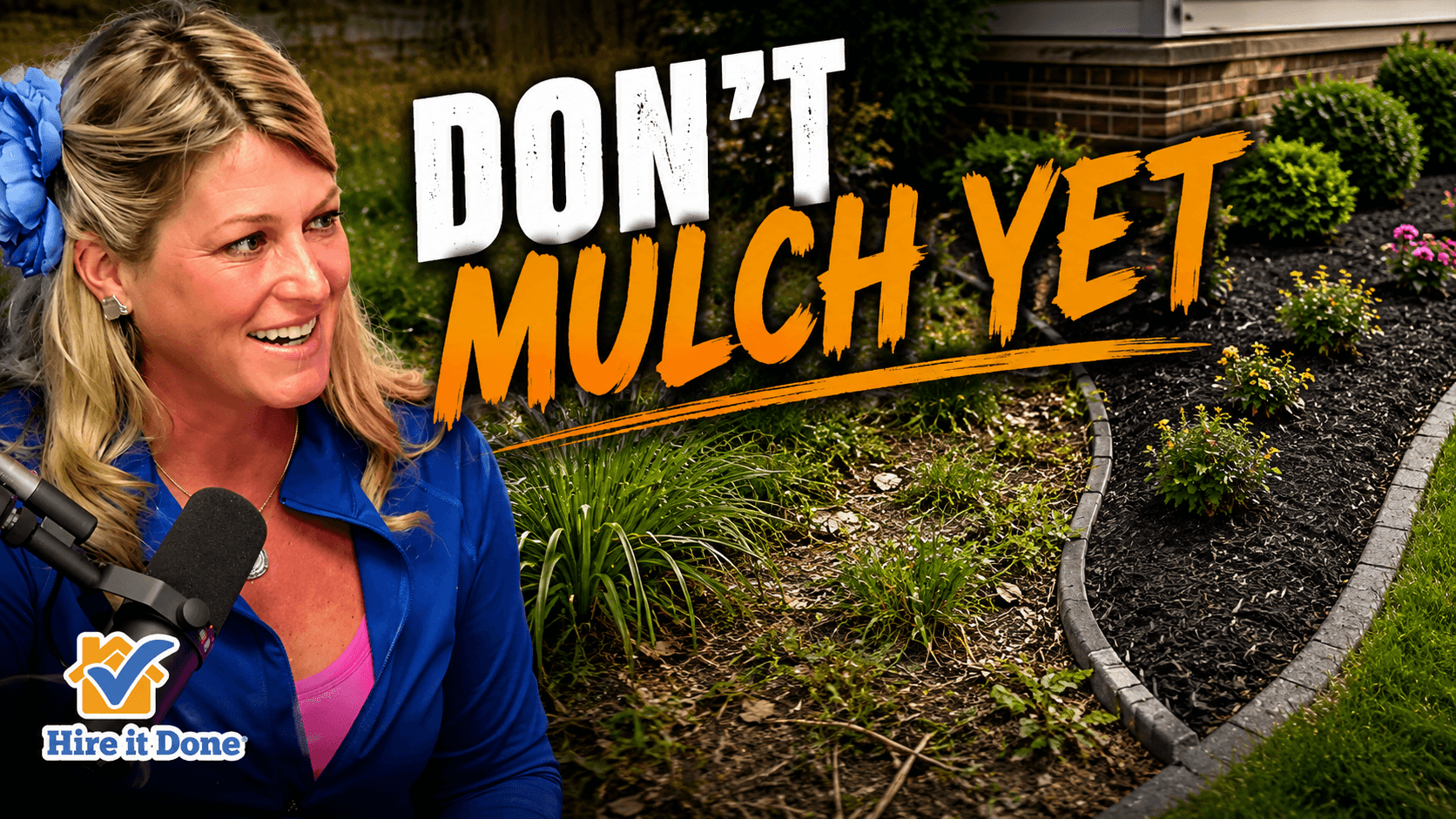
If grass is already growing into the planting bed, mulch will not magically solve it. Homeowners need to edge the bed first. That edge creates a clean separation, helps the mulch stay where it belongs, and gives the finished landscape a much cleaner look.
It is more work upfront, but it is the difference between a yard that looks patched together and a yard that looks intentional.
Check The Soil Before Buying Plants
One of Ashley’s strongest tips was to check the soil before buying a single plant.
A quick soil check can tell homeowners a lot. Is the ground too dry? Is it too wet? Are there roots running through the area? Are there insects, grubs, slugs, or other problems that need to be handled before planting?
Worms can be a good sign, but not every insect is helpful. Ashley pointed out that grubs, roly polys, and slugs can damage roots and create problems for new plants.
The takeaway is simple: do not plant into a problem and hope the plant figures it out.
If the soil is too wet, compacted, full of roots, or already dealing with pests, new plants may struggle from the start. Homeowners can save themselves a lot of frustration by checking these conditions first.
Do Not Guess On Sun And Shade
Another common mistake is assuming a spot gets full sun just because it looks sunny early in the season.
Ashley explained that homeowners should observe the actual area where they want to plant. Once trees fill in with leaves, that sunny space may become filtered sun. That matters because plants have different needs.
A plant that needs full sun may struggle in filtered shade. A shade plant may burn or dry out in a hot, exposed location.
Before choosing plants, homeowners should watch how sunlight moves through the yard. Where is the sun in the morning? What happens in the afternoon? Do nearby trees change the light once their leaves grow in?
That observation can help homeowners avoid buying the wrong plants for the wrong spot.
Annuals, Perennials, And Budget-Friendly Curb Appeal
For homeowners who want big curb appeal without overcomplicating the plan, Ashley recommended a few practical options.
Grasses can add height and structure. Salvia is a long-blooming perennial that can bring color back year after year. Annuals can provide strong seasonal color and make a yard feel brighter quickly.
The key is understanding the difference.
Annuals usually last for the season. Perennials come back every year when planted properly. Annuals can be great for color. Perennials can be a smart long-term investment.
That does not mean one is always better than the other. It means homeowners should know what role each plant is playing in the overall landscape.
Watering And Planting Depth Matter
Ashley also warned that homeowners can overwater plants. Too much water can drown plants, especially if the soil has a lot of clay or poor drainage.
New annuals or new trees may need extra water, but that does not mean homeowners should run sprinklers heavily without checking conditions. Soil type matters. Weather matters. Plant type matters.
Planting depth is another major issue. Ashley explained that trees and bushes should not be buried too deep in a hole. They need to be planted properly, then mulched correctly around the base.
Adam summed it up well during the conversation: the best plant is the one that is planted properly.
That is also why professional installation can be valuable. Sherwood Forest Garden Center offers warranties on nursery materials, including a one-year warranty when their team installs the plants and a partial warranty when homeowners plant them themselves.
Why Professional Help Can Save Time And Stress
Some homeowners love doing their own yard work. Others want the finished result without spending the weekend digging, edging, hauling mulch, and guessing which plants belong where.
Ashley made it clear that Sherwood Forest Garden Center can help both types of homeowners.
Homeowners can come into the store, walk the nursery, bring photos, and get help choosing plants. They can also schedule design and installation help if they want the work done professionally.
That matters because landscaping is not just about buying pretty plants. It is about matching the right plant to the right place, preparing the soil, installing it correctly, and maintaining it properly.
A good yard starts before the first flower goes in.
Final Takeaway
Spring planting can be exciting, but homeowners should not rush the process.
Clean up the beds. Check the soil. Observe the sunlight. Edge before mulching. Choose the right plant for the right spot. Watch the watering. Plant at the proper depth.
These are simple steps, but they can make the difference between landscaping that struggles and landscaping that actually looks good through summer.
For homeowners in Southeast Michigan, this episode of Hire It Done with Ashley Thomas from Sherwood Forest Garden Center is a helpful reminder: prep first, plant second, and do not let the pretty part distract you from the process that makes it work.
Ready To Get Your Yard Ready For Summer?
The full episode is worth watching for any homeowner who wants practical spring planting advice before spending money on flowers, mulch, trees, or landscaping.
And if you are already planning your yard, there is a clear takeaway here: the plants matter, but the prep work matters just as much.
What stands out most to you: checking the soil first, edging before mulch, choosing the right sun or shade plants, or making sure trees and bushes are planted properly?
Visit www.sherwoodforestgardencenter.com to learn more about Sherwood Forest Garden Center in Rochester, Michigan.
For trusted home improvement guidance and contractor resources, visit www.hireitdone.com.